
Leaderboard


.thumb.jpg.e5a96502c15b934599b4a498e2701635.jpg)



Popular Content
Showing content with the highest reputation on 01/13/19 in all areas
-
10 points
-
10 points
-
9 points
-
9 points
-
9 points
-
9 points
-
8 points
-
7 pointsThey said it would never happen. On more than one occasion, I said it would never happen. Things change. Ol' Boo is getting married. This is not a joke. This is not a test. I asked my girlfriend to marry me, put a ring on her finger and everything...by the way, she said "yes."7 points
-
7 points
-
7 points
-
6 points
-
6 points
-
6 points
-
6 points
-
5 points
-
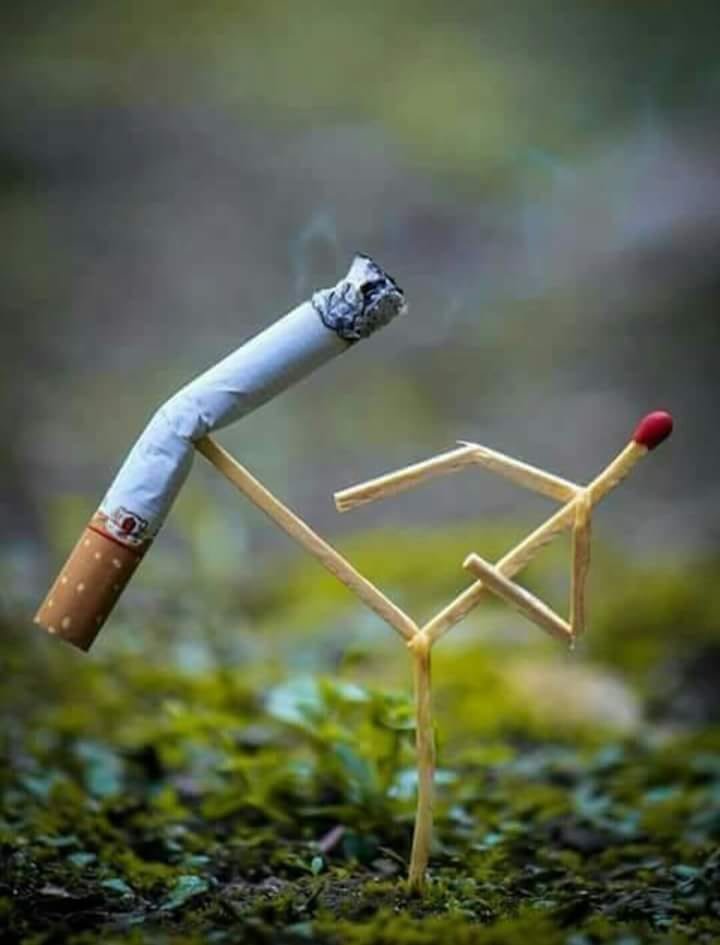
I would be willing to die to stop a suicide bomber from reaching his target. I would be willing to die to save anyone from a burning building. I would be willing to die to save anyone from being hit by an out of control car. I would be willing to die to save anyone from being held hostage. I would be willing to die to save any family members life. I would be willing to die to save anyone from drowning in freezing waters. I would be willing to die to save any child from dying from anything. I would be willing to die to save someone from being mugged or beaten. I would be willing to die to save a damsel in distress. I would be willing to die for my country. I would be willing to die to save my friends life. I would be willing to die to save a strangers life. I would be willing to die so someone else could live BUT I am not willing to die for a cigarette!5 points
-
5 points
-
5 points
-
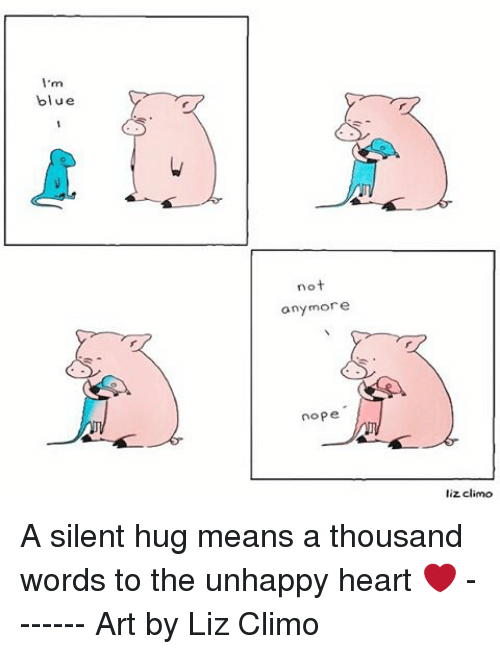
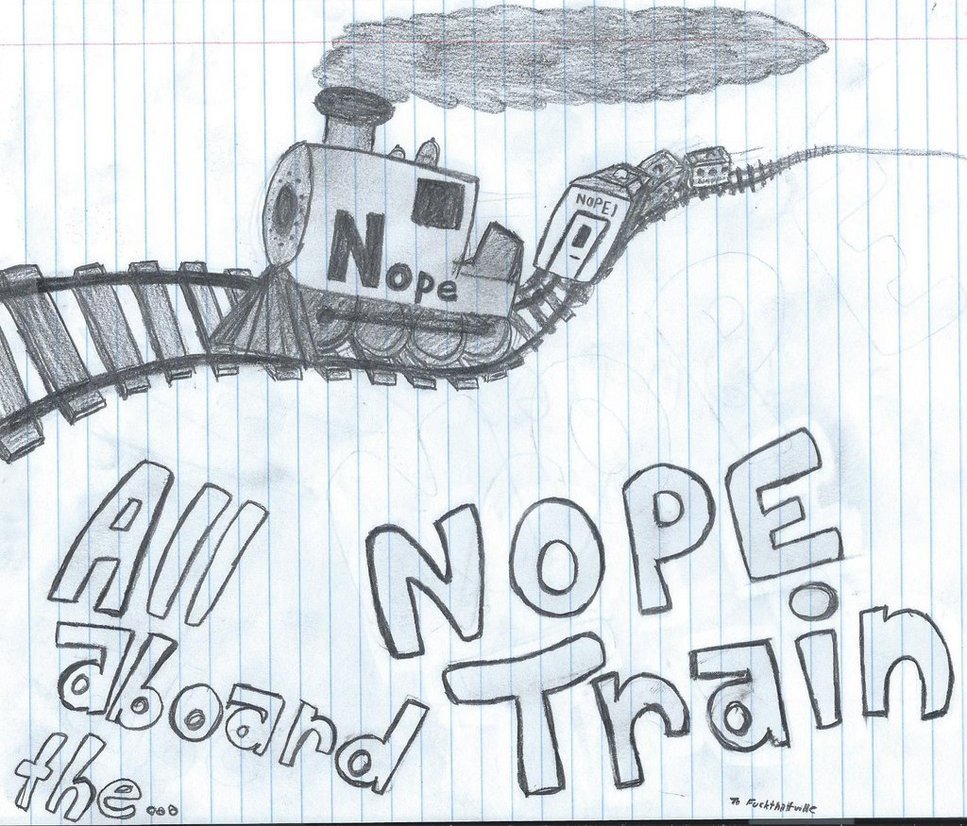
5 points..."bright lines," a term that [George] Ainslie borrows from lawyers. These are clear, simple, unambiguous rules. You can't help but notice when you cross a bright line. If you promise yourself to drink or smoke "moderately," that's not a bright line. It's a fuzzy boundary with no obvious point at which you go from moderation to excess. Because the transition is so gradual and your mind is so adept at overlooking your own peccadilloes, you may fail to notice when you've gone too far. So you can't be sure you're always going to follow the rule to drink moderately. In contrast, zero tolerance is a bright line: total abstinence with no exceptions anytime. It's not practical for all self-control problems--a dieter cannot stop eating all food--but it works well in many situations. Once you're committed to following a bright-line rule, your present self can feel confident that your future self will observe it, too. And if you believe that the rule is sacred--a commandment from God, the unquestionable law of a higher power--then it becomes an especially bright line. You have more reason to expect your future self to respect it, and therefore your belief becomes a form of self-control: a self-fulfilling mandate. I think I won't, therefore I don't. (Baumeister and Tierney, 2011, pages 185-186.) Baumeister, Roy F. and Tierney, John. Willpower: Rediscovering the greatest human strength. (2011). New York. The Penguin Press. I feel more confident about saying "N.O.P.E." (never ever)--in addition to "not today," when I imagine a bright line into the future, separating my bright path from a dismal path that descends into darkness. That imagery and concept are helpful for me. Adding another coat of bright-paint to the line each day when I pledge to not smoke reinforces my willpower to stay on this light-filled side of the bright line.5 points
-
5 pointsFeeling happy. Also feeling the extra fat on my body from diverting energy from smoking to eating. Still, had a big piece of carrot cake to celebrate. Gotta change my solution to cravings.5 points
-
5 pointsHi Wantsit.... glad you got through this without giving up your quit. Its a big shock when your stability wobbles. I was 4-5 months in when I found out my employer was closing. I had been there over 16 years... it was hard and for a while I had no job because I didn't look while they closed down so I could help them with the wind up.... but then I found a new job, I don't love it like my old job, yet, but they pay may a lot more than my old employer and I am finding my feet... I don't think it will ever feel like the old job did but it might ... what I learnt though was that I was worth way more than I thought .. lets just say I got over a 50% pay increase.... So financially I am much better off and yes it was scary and stressful and daunting but that old saying when one door closes another opens is true ... and while I still have my training wheels on ... going through that during my first year quit made my quit strong because it helped me to realise I was in control and I could do it despite hurdles. I am so proud of you for not lighting up during this shock... hope all works out well on the job front.5 points
-
5 points
-
5 points
-
5 points
-
4 pointsA whole month. Wow. I did it and it wasn't even terribly difficult. Most of the time. Regardless of how the experience of the first month has been, the point is that it was successful. My savings account is looking better. On to month two. Thank you, all, for your kind congratulations and other support. Your presence in this forum, and your responses when I was wavering, have made the difference between staying quit and relapsing. I came here to distract myself when I was craving. And I ate. Sigh. I am back to sensible eating, now that the cravings are diminishing. Only one or two a day, and those are milder and transient. I'm on my guard for surprise attacks in moments of stress however. Won't turn off my red-alert system.4 points
-
4 pointsCan we all come and work at your place jo? Think we'd all like a 50% pay rise ? Good on you wantsit. You should be feeling really proud of yourself and more confident in your quit. That was a toughie and you didn't smoke ?4 points
-
I get sad whenever I read about someone that relapses after rocking an awesome quit for weeks or months. I quit smoking 290 days ago and I'm extremely confident I'll never smoke again. Things were a little different on day 142 though. That's the day I almost smoked a cigarette..... Quote Day 142. I have been romanticizing the cigarette for about a week now. I've been daydreaming about the simple joy of holding a cigarette between my fingers, the wonderful tobacco smell of a freshly opened pack, and the feeling of euphoria when taking that first drag. Mmmm....just thinking about it makes my pulse quicken in glorious anticipation. W. T. F. This is day 142! I'm "this close" to 5 months. 6 months (HALF A YEAR!) is within spitting distance. How the hell could I let myself get so damn complacent that I'm having thoughts like this? For the most part, my quit has been on auto-pilot for the last couple of months. I stopped actively "quitting" a long time ago. I didn't feel the need, or desire, to spend hours a day reading/posting about nicotine addiction like I did the first several weeks of my quit. I've lost my motivation and I'm tired of fighting. THAT right there scares the crap out of me. I do NOT want to be a smoker again. I will NOT be a smoker again. I REFUSE to be a smoker again. It is time to fix this thing and get my head back in this quit. During the early days of a new quit everything is so exciting. You are doing a Good Thing and it's AWESOME! YOU are AWESOME! Loved ones shower you with praise! Strangers on the internet tell you how wonderful you are! You can suddenly smell and taste All The Things! People at work give you high fives and fist bumps! There are parades in your honor! The mayor gives you the key to the city! TMZ hounds you for an interview! Life is FREAKING AMAZING!!! And then, a few weeks or months later…..things change. Family and friends begin treating you the way they did before you quit. No more high fives. No more fist bumps. No one asks about your quit anymore. Even the paparazzi stop following you around. This “thing” (your quit) isn't fun anymore. Yeah, it’s gotten a lot easier to not smoke but you still sometimes get cravings from hell and you are SO TIRED of fighting. So tired. You feel lonely. You start to hear whispers in your head. It's a voice you thought you silenced a while ago. “Why don’t you just smoke one? It will taste and feel so good. You know you can quit anytime you want.” (My Inner Junkie has a seductive bedroom voice like Barry White and looks like a more sinister version of Wile E. Coyote. Stop judging me!) Relapse was a very real option for me on day 142 (I'm on day 290 now). I am VERY thankful that I turned things around before it was too late. Some folks don’t. They smoke a cigarette and then a beautiful quit is lost…up in smoke. I am only posting this to remind everyone, myself included, that we can never let our guards down. I KNOW why I got close to relapse. The reasons are as plain as day to me now: 1. I stopped educating myself about my addiction. 2. I greatly decreased the time I spent on this site because I didn't think I needed a support group any longer. 3. I let a small seed of negative thought (daydreaming of smoking a cigarette) grow until it became a Really Bad Thing. 4. I fooled myself into thinking I wasn't an addict any more. What did I do to get my quit back on track? 1. I re-read all the newbie info here and at whyquit.com 2. I read Allen Carr’s book. (I read a little bit each day over the course of a couple of months. It was a good daily dose of inspiration.) 3. I recommitted to spending time on this site reading and helping out where I could. 4. I admitted to myself that I was always going to be an addict. I can NEVER become complacent again. 5. I stopped random smoking thoughts IMMEDIATELY whenever I realized what I was thinking about. Have you come close to relapsing? What did you do to avoid it? Have you relapsed after a weeks or months long quit? If so, why did it happen and what are you doing now to make sure it doesn't happen again?3 points
-
3 points
-
3 pointsSometimes I'm not sure its worth it. Think its more to do with the old place underpaying me than the new one over paying me.3 points
-
3 points? $10 month I am so frickin jealous... oh well works for free and beach swims... went for a swim this morning... used to be able to go out to the buoy then lap between the two then back in... but out and back knackered me good and propper... but love time in salt water... best feeling ever.3 points
-
3 pointsMe, too, Linda! I have decided to join Planet Fitness, myself! Going down to sign up tomorrow!3 points
-
3 pointsI knew you would keep that great quit you have Positive thoughts that everything at work ends up well3 points
-
3 pointsWansit, you are not going to stumble because you are strong. No matter what circumstances life throws at us, it will not have to change our quit. Life has many bumps in the road but we always navigate through them, and I have found that I always come out stronger on the other side. Hang tough. Don't let the uncertainty wobble your quit. Shout out if you need us.3 points
-
2 points
-
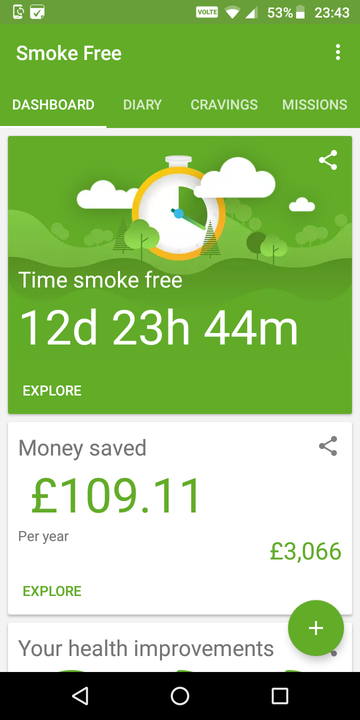
2 pointsAbsolutely made up with how my quit is moving along. Doing dry January, doing plenty of exercise and watching plenty of films and a little reading. All helping. Every time I get a small urge, because that's all they've been so far, I weigh that one little urge in time up against the time smoking has not even entered my mind and I feel empowered. Onwards and upwards people.
 2 points
 -
2 points
-
2 points
-
2 points
-
2 points
-
2 points2 points2 pointsYou are building a strong and sturdy quit, Kate, good on ya. NOPE ~ Never/Ever/Forever2 points2 pointsI need @Wee fluffy me to back me up here. Musto been a Scot that named that beach ?2 points2 pointsI really do like it. It is so cheap. Most of the machines explain themselves. Made it three times this week. I am a little sore but feel so good mentally. Hope you like it.2 points2 pointsI just want to begin this by saying thank you to all of that are out there supporting us that are liable to stumble. I had the perfect chance and excuse to fail but didn't , and who knows what will happen in the weeks to come but I haven't yet. I feel most of my strength has come from my support and knowledge that I have gotten from a few very good people here. THANK YOU! I have the utmost respect for all of you.2 points2 points2 pointsThat's how i succeeded with this quit. "The key for me is to keep exercising" 2 things happened, i got back into great shape and i became an ex smoker. I replaced the cigg with exercise, when that carving came " move a muscle, change a thought"...2 pointsCraving a smoke badly. Not Hungry, Angry, Lonely, Tired. Thought about posting an SOS, but I asked myself, "Am I really that close to flipping mindsets and going out to buy cigarettes?" Nah. It's too cold outside. It's dark. I've eaten a light, healthy dinner. I walked about a mile today with my dog, so I feel pleasantly invigorated. Don't want to pollute my lungs or hand over any savings to tobacco magnates. I was watching a series on Netflix about people tidying up their homes with Marie Kondo. As the families in each episode go through their "stuff" and decide what to keep or part with, I began remembering my former home and how much I have lost. The sadness made me teary for a few moments, but then I sat up straight and shook it off. I returned to present-oriented and forward-thinking. Shifting my focus triggered a powerful craving. This is the point where I would have celebrated the transition from gloom to acceptance by going outside to have a smoke. And now I'm remembering my own post today about a bright line. Gloom is on the other side of the bright line. I am on this side, the right side. The bright line is inviolable. Deep breaths. Craving is weakening. Another episode of exerting willpower, and now I can relax again. Not taking a chance of recurring cravings today, though. It's only 6:00-ish (pm), but I will go to bed early. I dreamed once, recently, that I was arguing about smoking with someone. I didn't want to, but he was strong and demanding. Other than that, no dreams about smoking or craving in my sleep. One's willpower ebbs as the day progresses and by evening temptations can feel impossible to resist. A few dark chocolate chips for a dopamine hit. A mango. Then brush teeth and to sleep.1 point1 pointCongrats Boo. Are we going to have a big bash? Tennessee could be a road trip! Please keep us up on the nuptials! Very happy for you!1 point1 point1 point^^ Great shot Weegie. You sure captured the dreary aspect. It was the same here. Hope you had a good row.1 pointThis leaderboard is set to New York/GMT-04:00